From Dive Instructor to SaaS Builder
This indie hacker founder story begins far from the tech world. Eliana Jordan started with coral reefs. Before building software, she worked as a scuba diving instructor, teaching underwater safety, guiding tourists, and living a location-independent life. Tech wasn’t the plan it became the solution.
Like many future founders, her entry into software came from frustration, not ambition. She needed tools. The tools were expensive. So she decided to learn how to build them herself.
That decision quietly changed everything.

Learning to Code Without a Technical Background
Eliana didn’t come from a computer science background or startup ecosystem. Her earlier career included business, marketing, and teaching roles experiences that later became unexpectedly valuable.
Instead of quitting everything to learn coding, she studied gradually:
- Evenings learning development basics
- Weekends building small projects
- Real problems used as practice ideas
- Marketing knowledge applied from day one
This mix of business awareness and technical learning helped her move faster than many beginner developers. It also shaped how she approached building products later.
Building Products From Personal Problems
Rather than chasing trends, Eliana focused on solving problems she personally experienced.
That led to several indie products:
- seozast.com – SEO automation designed for small founders and creators
- peerquik.com – an ebook based on her own X growth journey
- beunderwater.com – a platform connected to the diving world she came from
- revenuewrapped.com – tools focused on startup growth insights
This “solve your own problems first” strategy is common among successful indie founders. It removes guesswork and gives immediate validation. If you genuinely need the solution, chances are others do too.
The Moment She Learned the Hardest Startup Lesson
Like many technical founders, Eliana believed that a good product would automatically attract users.
It didn’t.
She spent a long time improving features, polishing UI, and refining functionality but growth didn’t follow.
Only when she started sharing her journey publicly, engaging with users, and talking about the problems her products solved did traction appear.
That shift from building silently → building in public became a turning point. It’s a pattern seen across many modern indie founders and bootstrapped SaaS creators.
Why This Indie Hacker Founder Story Matters for New SaaS Builders
This indie hacker founder story matters because it shows that most SaaS journeys don’t start in tech they start with curiosity and real problems. Eliana didn’t begin with a technical background or funding, but she still built products by learning step by step and solving needs she understood.
For new founders, her journey highlights an important lesson: you don’t need perfect skills to start, you need momentum. Many successful products come from people who simply began building and shared their progress publicly.
Stories like this make SaaS feel achievable. They show that what matters isn’t where you start, but whether you start at all.
Why Her Background Became Her Strongest Advantage
Instead of hiding her unconventional path, Eliana turned it into her identity:
“Just a dive instructor who learned to code.”
That line worked because it was:
- memorable
- human
- different from typical tech bios
- relatable to beginners
In a crowded online space, clarity beats complexity. People remember stories more than titles.
Her background helped her stand out in the indie hacker community and attract an audience interested in real journeys, not polished success stories.
5 Lessons New SaaS Builders Can Learn From Her Journey
1. You Don’t Need a Technical Past to Enter Tech
Many successful founders come from marketing, sales, design, or operations. Technical skills can be learned — perspective is harder to gain.
2. Marketing Matters Earlier Than You Think
Waiting until launch to promote a product is one of the most common founder mistakes. Building an audience before launch dramatically increases early traction.
3. Small Products Beat Perfect Products
Eliana focused on lean tools instead of large, feature-heavy platforms. This approach reduces development time, hosting costs, launch delay, complexity, and maintenance burden.
4. Storytelling Drives Growth More Than Features
People don’t follow dashboards. They follow journeys. Narratives create connection, connection builds trust, and trust creates customers. Indie hacker founder story is not just a story but the journey of the hardwork.
5. Building in Public Creates Momentum
Sharing progress publicly helped Eliana attract users, feedback, and opportunities. Today, many bootstrapped founders grow faster by combining product building with community building.
The Rise of the Build-in-Public Founder
Eliana’s story reflects a broader shift in the SaaS world.
Today’s founders often:
- share progress publicly
- launch before perfection
- build communities alongside products
- monetize small audiences first
- prioritize sustainability over hypergrowth
This approach works especially well for bootstrapped founders who rely on relationships instead of funding.
Final Thoughts
The biggest myth in tech is that you cannot start without the complete knowledge. This indie hacker founder story is all about learning.
Eliana Jordan’s journey shows the opposite. You can begin anywhere even underwater and still build your place on the internet.
What matters isn’t where you start. It’s whether you start building at all. Every Indie hacker founder story differs and what is yours?
If you’re planning your own product, follow this product launch checklist for indie founders and If you’re struggling with growth, learn how founders get first 100 users for SaaS without ads.
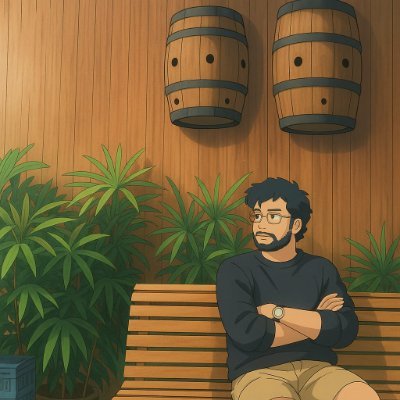
Founder and builder working on internet products and startup tools. Passionate about launching simple platforms that help makers showcase their work and reach early users.